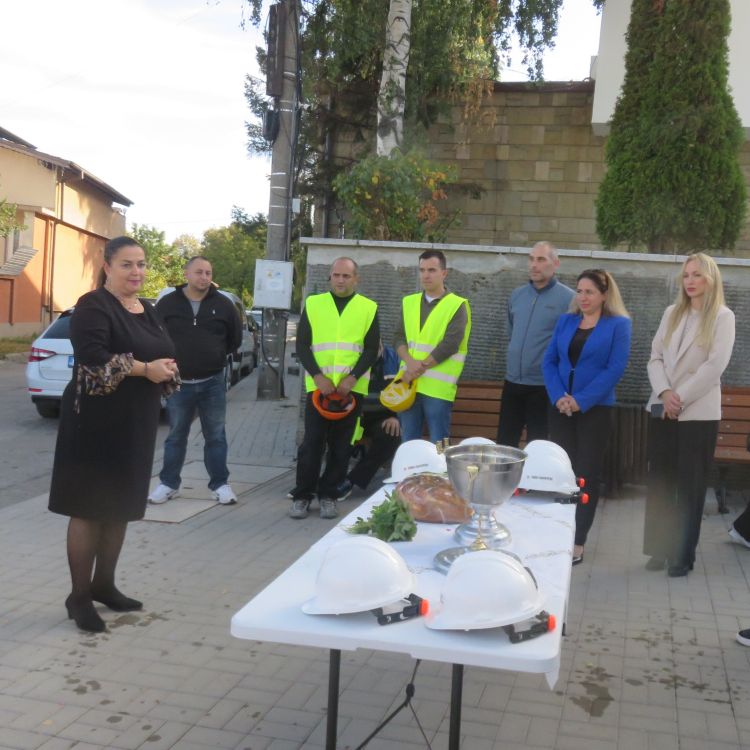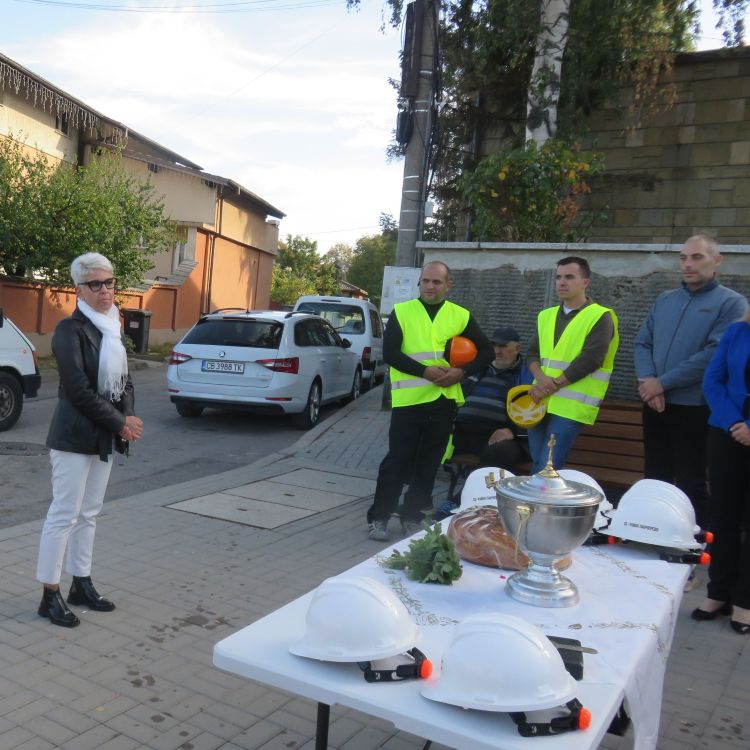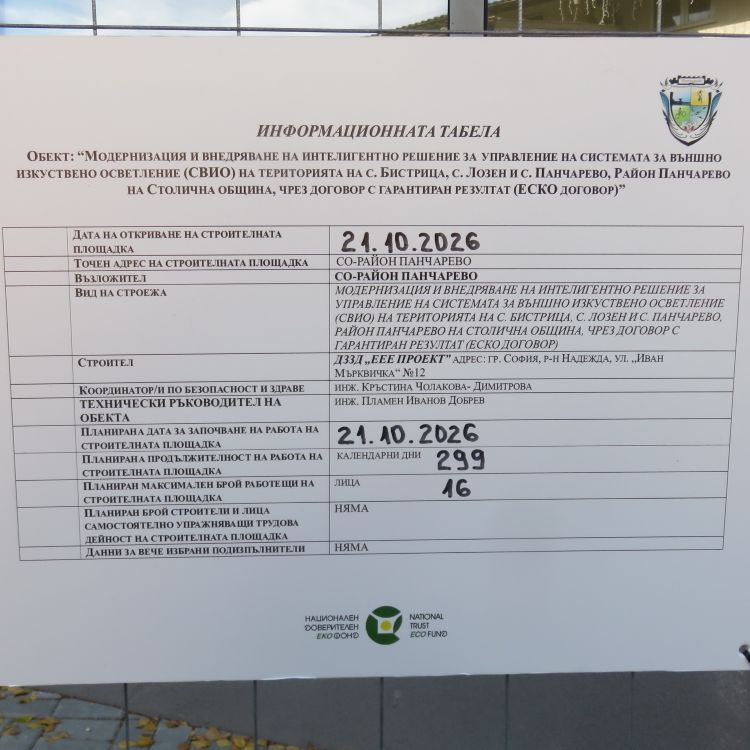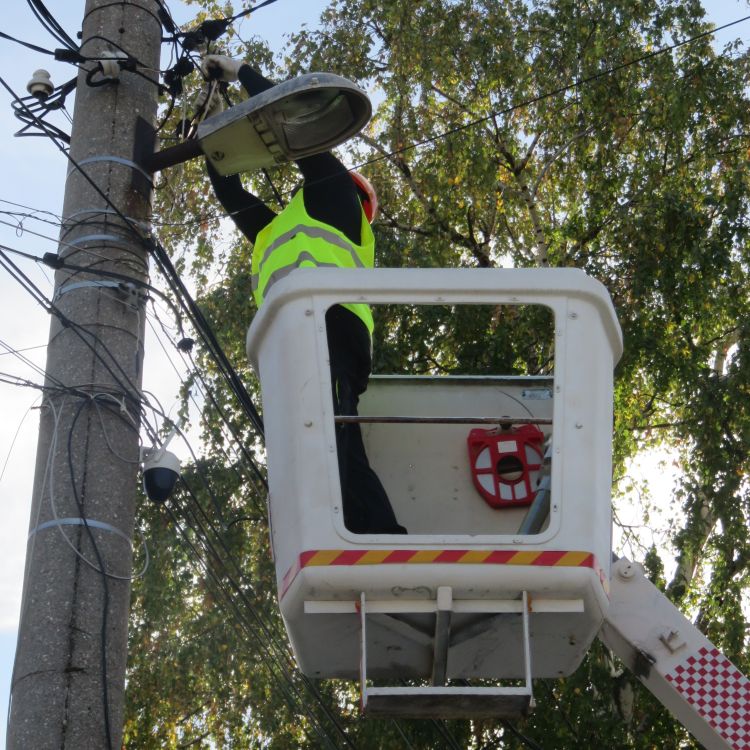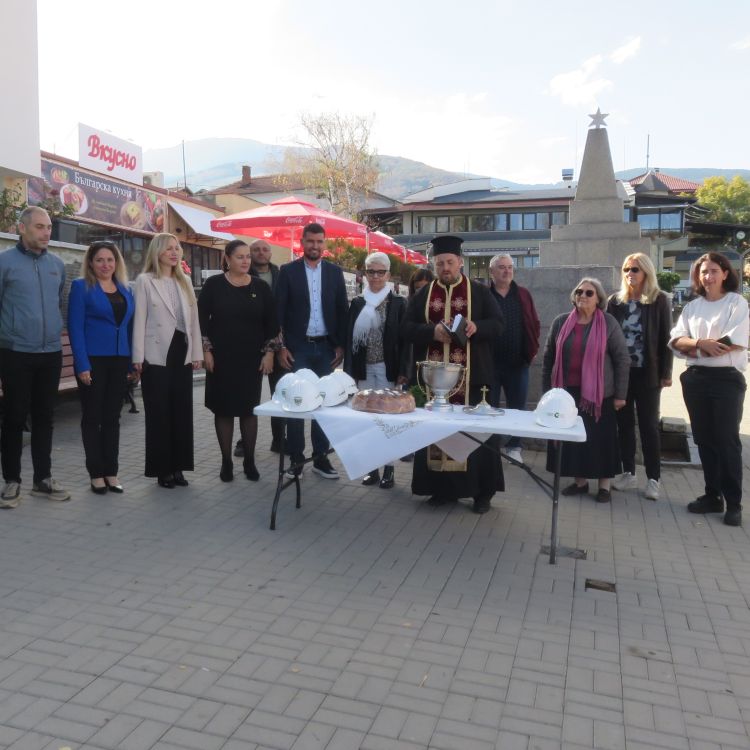

The iImplementation of the first project under the Fund’s energy performance contracting programme starts – the modernisation of street lighting in three villages in Pancharevo District.
An investment in the municipal hospital in Gotse Delchev is also forthcoming.
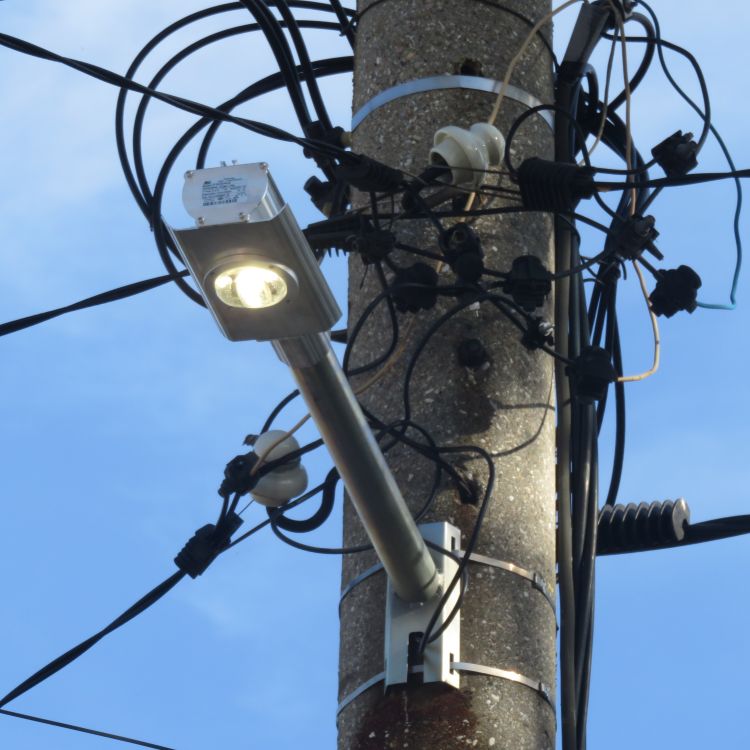
The investment covers the modernisation of street lighting in three settlements in Pancharevo District, Sofia Municipality – Pancharevo, Bistritsa and Lozen. A similar project is already being prepared for another five villages in the district.
This is more than just another energy efficiency project. It is a concrete step towards changing the way investments in public infrastructure are financed.
Under energy performance contracts, the investment capital is provided by energy service companies (ESCOs), while repayment of the investment is linked to the energy savings achieved. Corporate capital thus replaces the need for direct public funding of investment costs. NTEF support is aimed at making projects more attractive to the market and creating conditions for private-sector participation. The Fund contributes up to 25% of the project value, thereby shortening the investment payback period. For several more years, the municipality continues to budget the same amount for street lighting as before, using most of it to repay the ESCO company’s investment. After that, all the savings remain at the municipality’s disposal. For the Pancharevo project, the payback period is just five years. The total investment is nearly EUR 1 million, of which EUR 235,000 is provided by NDEF. Throughout the repayment period, and for many years afterwards, streets and parks will be well lit – at the same cost as before, when they were only dimly lit.
This approach changes the role of public funds. Instead of being the main source of financing for each individual investment, they become a tool for mobilising additional capital and developing a sustainable energy services market.
Street lighting and hospital buildings are particularly suitable for this model. Their high electricity consumption and substantial energy-saving potential allow investments to be recovered relatively quickly. This makes such projects attractive to ESCOs, which are the actual investors and assume the risk by guaranteeing that the agreed results will be achieved.
The advantages of energy performance contracts, however, go beyond the financing model. They create conditions for higher quality and long-term sustainability of investments, as the contractor has a direct economic interest in achieving and maintaining the agreed energy savings. At the same time, they free up not only public financial resources but also significant administrative and technical capacity. The ESCO bears primary responsibility for implementation and for achieving the results, while the municipal administration retains the necessary oversight functions without having to manage all project activities directly.
NTEF already has proven positive experience with this model. Several years ago, under an agreement with the European Bank for Reconstruction and Development (EBRD), the Fund supported a project in Gabrovo Municipality. Implemented before the Fund’s current programme, the project served as a model for its development. The results exceeded initial expectations: actual energy savings reached 74%, compared with the 63% offered.
Today, this experience is being built upon through NTEF’s own programme. Implementation of a second energy performance contract is expected to begin very soon, this time to improve the energy efficiency of the municipal hospital in Gotse Delchev. The two projects demonstrate the potential to apply this model to different types of public infrastructure and lay the groundwork for its wider adoption. NDEF has also received project proposals for other facilities. Interest in the programme is growing.
From individual projects to climate resilience
Energy efficiency is important, but it is not sufficient on its own to achieve climate resilience. A consistent approach is needed, in which investments complement one another, local resources are harnessed and long-term benefits are created for communities. Pancharevo District provides an example of such an approach. With NTEF support, an energy efficiency project has already been implemented at the school in the village of Bistritsa. New project proposals have also been submitted – to use the thermal energy of mineral water to heat the kindergarten in Pancharevo, and to improve the energy efficiency of the community cultural centre and district administration buildings.
These initiatives show how individual investments can become part of a coherent local policy to reduce energy consumption, harness local energy resources and strengthen climate resilience. This approach is particularly relevant in the context of Sofia Municipality’s Climate City Contract and Sofia’s participation in the EU Mission “100 Climate-Neutral and Smart Cities by 2030”. Achieving climate neutrality requires not only city-wide policies but also active initiatives by individual districts, supported by appropriate financial instruments and partnerships.
NTEF will continue to partner with local authorities in this process by supporting project development, encouraging corporate investment and facilitating solutions that bring together energy efficiency, climate neutrality and adaptation to climate change.
The strategic objective is clear: to use public resources where they create the greatest added value – by attracting private capital, stimulating the market and supporting investments that would otherwise be difficult to implement.
The launch of the first energy performance contract under NTEF’s programme is a concrete step in this direction – moving from financing individual projects towards building sustainable investment mechanisms for the climate-resilient future of Bulgarian municipalities.